Can chewing gum cause jaw pain? Simple alternatives that often help
- Simon Coghlan MSc, BSc Physio, DipMedAc

- Nov 11, 2025
- 2 min read
For most people, chewing gum now and then isn’t a problem. But when it becomes a regular habit — hours a day, every da
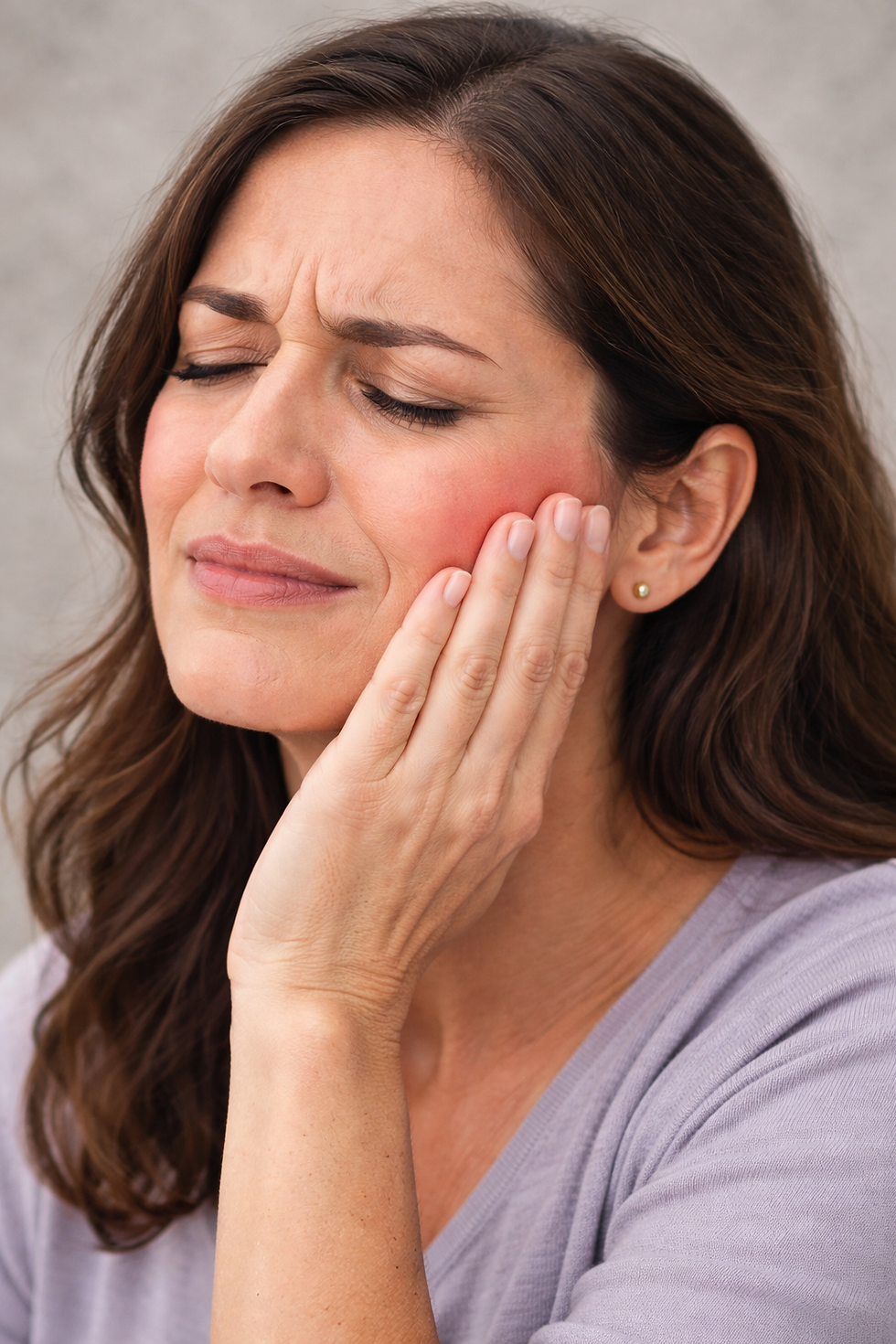
y — it can start to strain the jaw. The muscles and joints of the face are strong, but they’re not designed for constant repetitive load. Over time, this can lead to tension, discomfort, or even temporomandibular (TMJ) pain.
Why chewing can cause pain
Chewing works the masseter, temporalis, and pterygoid muscles — the same ones that tense up when we clench or grind our teeth. If they’re kept active too long, they fatigue, tighten, and become tender to touch. The jaw joint itself also takes extra pressure, particularly if someone tends to chew on one side only.
People with certain patterns or conditions are more at risk. You might notice pain sooner if you:
Chew mostly on one side
Clench or grind your teeth (bruxism)
Have a previous jaw injury or dental misalignment
Experience high stress or anxiety
In these cases, even “sugar-free” gum can contribute to soreness or clicking around the jaw.

What the research says
Clinical studies often list habitual gum-chewing as a parafunctional activity — a movement not required for normal function that can overload tissues. While research proving direct cause and effect is limited, case reports and clinical experience both show that excessive chewing can aggravate TMJ symptoms. The takeaway is simple: moderation matters.
Better alternatives
If you like the taste, freshness, or oral sensation of gum, you don’t need to give up that feeling completely — just find lower-load options.
Sugar-free xylitol lozenges: These dissolve naturally and still promote saliva flow, which helps oral health. Limit use to short bursts of 5–10 minutes to avoid repetitive jaw movement.
Sip water or herbal tea: Hydration keeps the mouth comfortable and breaks the chewing habit loop. It’s the easiest, safest first step.
Controlled gum use: If you prefer to chew, limit sessions to short, planned times — for example, 10–20 minutes after meals — and stick to xylitol gum. The structure and timing matter far more than the brand.
Soft lozenges or mints: Avoid hard or sticky sweets that demand forceful chewing or risk dental damage.
Behavioural replacements: Stress is a common driver of chewing habits. Try a stress ball, brief breathing break, or small fidget when the urge to chew hits.
When to seek help
If you stop or limit gum-chewing for a few weeks and your symptoms don’t ease — or if you notice clicking, locking, or reduced opening — it’s time for a professional assessment. Ongoing pain, visible swelling, or difficulty opening wider than three fingersv shouldn’t be ignored.
Bottom line
Chewing gum in moderation is fine for most people, but overdoing it can overload the jaw and trigger pain. Reducing chewing time and switching to dissolving or low-load alternatives often makes a noticeable difference.
If your symptoms persist or you’re unsure where to start, professional assessment can help you find the cause and create a plan that fits your lifestyle.
By Simon
Need support with jaw pain? Book an appointment with Dental Physiotherapy with Lorraine Carroll & Simon Coghlan in Buderim for expert, hands-on care.
📍 Suite 2, 24–26 Gloucester Road, Buderim
📞 07 3532 8605


Comments